

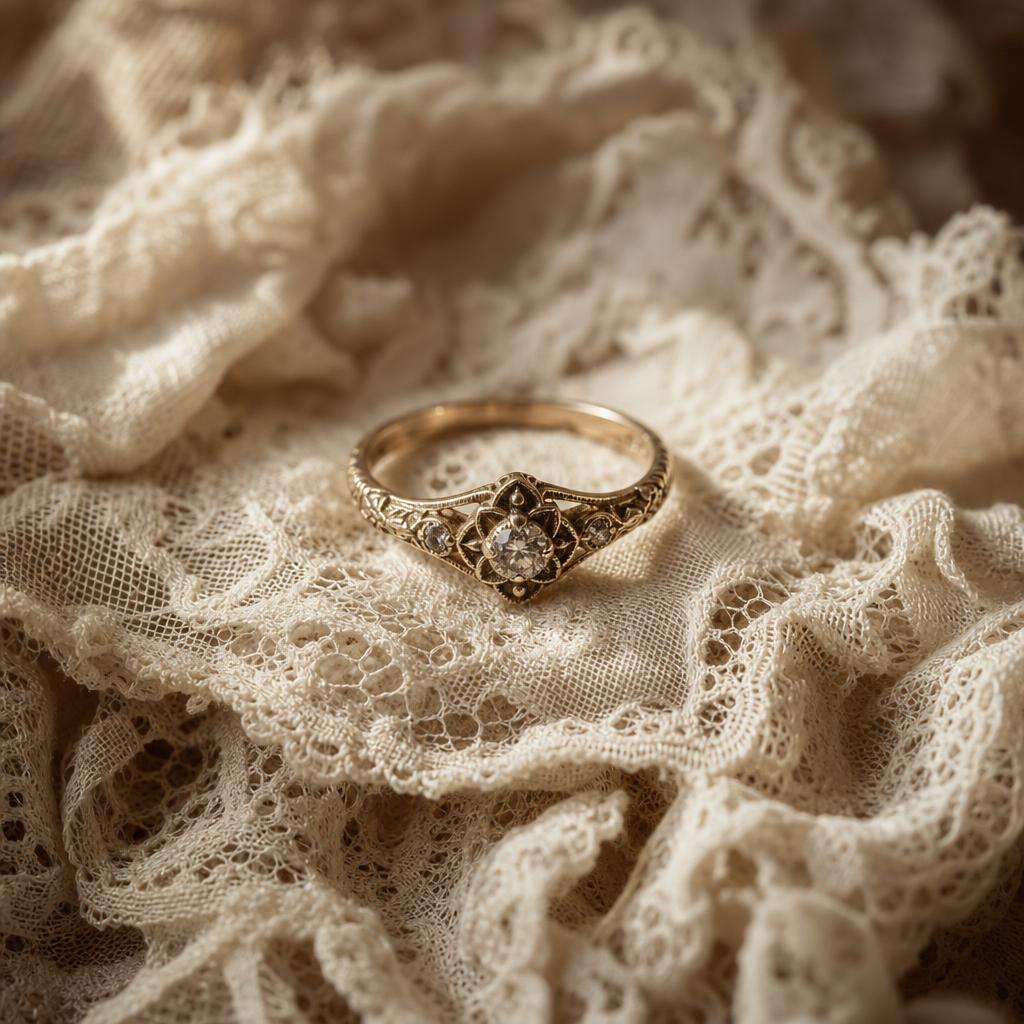
Sizing a Ring You Inherited: What to Check Before Resizing a Piece With Sentimental Value
An inherited ring carries more than sentimental weight — it carries decisions. Resize it and risk changing something irreplaceable, or leave it as-is and risk never wearing it at all. Neither choice has to be permanent or fraught, but it does help to understand what actually happens when a ring like this goes in for resizing, and which pieces handle it gracefully.
Not every ring resizes the same way, and sentimental value makes the stakes feel higher than they would for something you bought yourself last month. A little knowledge before you hand it over goes a long way toward protecting both the piece and your peace of mind.


Why Inherited Rings Need a Different Approach
Most sizing advice assumes you're buying something new, where the worst-case outcome is a return or exchange. An inherited ring doesn't offer that safety net. It may be decades old, built with techniques or materials that aren't common today, and it may hold engraving, patina, or wear patterns that are part of its story rather than flaws to correct. Before anything gets resized, it's worth slowing down and actually understanding what you're working with.
This doesn't mean resizing is risky by default — most rings can be adjusted safely by someone who knows what they're doing. It means the usual "just size it up or down" approach deserves more care here than it would for a ring you'd be comfortable replacing.
Worth knowing: Before any resizing conversation, get the ring appraised and photographed. This protects you if anything goes wrong during the process, and gives you a record of engravings, stone placement, and condition exactly as you received it.
What Actually Determines Whether a Ring Resizes Easily
Band construction matters more than age. A simple, solid band — the kind found on a classic solitaire or a plain eternity ring — can typically be cut, adjusted, and re-soldered with minimal visible trace. Rings with stones set all the way around the band, intricate filigree, or engraving that wraps the entire circumference are far more complicated, because the resizing point has to work around design elements rather than through open metal.
Metal type plays a role too. Softer metals like gold are generally easier to resize than harder alloys, and pieces that have already been resized once may have less material to work with the second time. A good jeweler will tell you honestly whether a piece is a good resizing candidate or whether an alternative — like a ring guard, or wearing the piece on a chain — might serve it better.
It's also worth asking specifically about the base metal, since older pieces aren't always what they appear to be at a glance. Sterling silver and solid gold generally resize predictably, but gold-plated or vermeil pieces need more care, since the resizing point can expose the base metal underneath the plating if it isn't handled carefully. A jeweler experienced with vintage jewelry will know to check for this before making any cuts, and may recommend re-plating the affected area afterward so the repair blends in rather than standing out against the rest of the band.

The Odette Ring
A single oval solitaire on a smooth, uninterrupted band — the kind of simple construction that resizes cleanly, and a useful reference point for what to look for in an easy-to-adjust piece.
Shop The Odette Ring →Questions to Ask Before You Say Yes to Resizing
A trustworthy jeweler will walk you through these before touching the piece, but it's worth knowing what to ask if they don't:
- How many sizes up or down is the ring moving? More than two sizes can start to distort proportions or weaken certain settings.
- Will any engraving, patina, or maker's marks be affected by the resizing point?
- Is the stone setting original, and does it need to be removed during the process?
- What happens if something is discovered mid-process — a hairline crack, a weak setting — that changes the plan?
✦ Pro tip: Ask to see examples of the jeweler's previous resizing work on similar vintage pieces, not just modern rings. Vintage metal and settings behave differently under heat and pressure, and experience with older pieces specifically is worth more than general resizing volume.
When Resizing Isn't the Right Call
Some rings are better left untouched. If a piece is extremely fragile, if the band is so thin that resizing would leave almost nothing to hold the stone, or if the sentimental value is tied specifically to wearing it exactly as it was passed down, there are other ways to keep it close without altering it. A ring guard can adjust fit without permanent changes. Wearing the piece on a chain keeps it visible and worn without any sizing risk at all. Reserving it for occasional wear, rather than daily use, is also a completely reasonable choice — not every meaningful piece needs to be an everyday ring.
Worth knowing: If you're torn between preserving a piece exactly as-is and actually wearing it, you don't have to choose only one. Many people keep an heirloom ring unaltered for special occasions while wearing a similarly styled everyday piece the rest of the time.
If You Decide to Build Around It Instead
Some families choose to keep the inherited ring exactly as received and build a new everyday collection around it instead — pairing it occasionally with modern pieces rather than altering the original. If that's the direction you're leaning, look for stacking pieces with a similar era or aesthetic, so the pairing feels intentional rather than mismatched.

The London Ring
A striking emerald-cut center on a smooth, unadorned band — a style with the same quiet, old-world presence as a true heirloom piece, built new.
Shop The London Ring →This approach also sidesteps the emotional weight of altering something original. You get a ring you can wear daily, size freely, and update as your taste changes, while the inherited piece stays exactly as it was — a decision some people find brings more peace than resizing ever would.
Getting the Size Right the First Time
If you do move forward with resizing, get your current size measured properly rather than estimating from a ring you already own — inherited rings often come from a different era of sizing standards, and eyeballing it against a modern ring can be misleading. A jeweler measuring in person, at the end of the day when your finger is at its most typical size, will give the most reliable result and reduce the chance of needing a second adjustment.
It's worth having this measurement on hand even if you decide not to resize right away. Sizing needs can change over the years, and knowing your current size means you're ready to act whenever you do decide to move forward — without having to start the whole research process over again from scratch.
Quick Takeaways
- Appraise and photograph an inherited ring before any resizing work begins.
- Simple, solid bands resize more easily than pieces with stones or engraving around the full circumference.
- Ask about resizing distance, engraving impact, and the jeweler's experience with vintage pieces specifically.
- A ring guard or occasional-wear approach can preserve a fragile piece without permanent changes.
- Building a new everyday collection around an untouched heirloom is a valid alternative to resizing it.
Frequently Asked Questions
Does resizing an inherited ring reduce its value?
A professionally done resize on a suitable piece typically has minimal impact on value. The bigger risk to value comes from rushed or inexperienced work, which is why choosing a jeweler with vintage experience matters more than price.
How many sizes can a ring safely be resized?
Most jewelers are comfortable with one to two sizes in either direction. Beyond that, proportions and setting stability can be affected, and alternative options like a ring guard may be worth considering instead.
What if the ring has engraving I want to keep?
Tell your jeweler before any work begins. Skilled resizing can often be positioned away from engraving, or the engraving can be carefully preserved and reapplied, but this needs to be planned for from the start.
Is it disrespectful to resize a ring that was passed down?
Not at all — resizing so a piece can actually be worn is one of the most common and meaningful ways families keep heirloom jewelry in daily use, rather than sitting unworn in a box.
An inherited ring deserves the same care whether you resize it, preserve it exactly as-is, or build a new collection around it. Whatever you choose, the goal is the same: a piece that stays close to you, worn in a way that feels right, for however many more years it has left to give.


