

What Does 925 Mean on Jewelry? The Ring Hallmark Guide Before You Spend Real Money
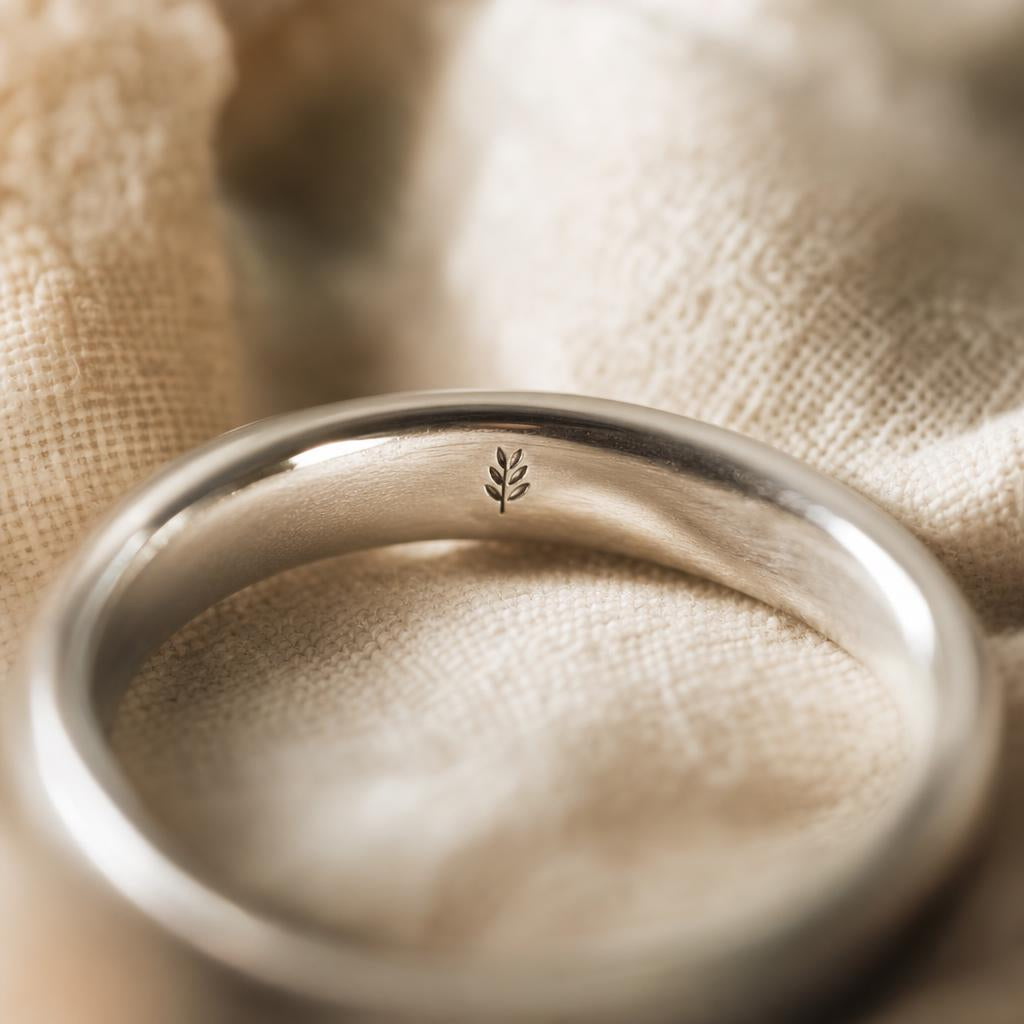
You slide a ring off to look at it in better light, and there it is: a tiny stamp on the inside of the band, so small you almost need a loupe to read it. "925." No explanation, no context — just three numbers a jeweler decided you needed to know. Here's what they're actually telling you, and why it's worth understanding before you spend real money on anything that goes on your hand.
A hallmark isn't decoration. It's the metal telling you the truth about itself, whether or not you asked. Once you know how to read one, you'll never look at a ring listing the same way again — starting with the four rings below, each stamped the same way ours all are.


What "925" Actually Means When You See It Stamped Inside a Ring
Start with the number itself, since it's the one you'll see most often. So what does 925 mean on a ring? It's a purity mark — shorthand for 92.5%. That's the percentage of pure silver in the metal. The remaining 7.5% is other metal, almost always copper, alloyed in for a reason that has nothing to do with cutting corners: pure silver on its own is soft enough to bend under normal wear. Add that small percentage of copper and you get a metal that holds its shape, resists everyday dents, and still reads as unmistakably silver.
This is why "sterling silver" and "925" are the same claim written two different ways. If a listing says one, it's making the same promise as the other. There's no upgrade path from 925 to some higher tier of "real" sterling — 92.5% is the international standard, full stop.
Worth knowing: A stamp that reads "999" indicates fine silver — 99.9% pure. It looks beautiful and it's rarely used in rings for the exact reason above: it's too soft for daily wear. If you see 999 on a ring meant for everyday use, that's worth a second look, not a compliment to the metal.
Why Rings Get Stamped With a Hallmark in the First Place
Hallmarking has been around since the 1300s, when the practice began in London as a way to keep goldsmiths honest — an independent mark, struck by an authority outside the maker, certifying that the metal was what it claimed to be. The details have modernized since then, but the purpose hasn't: a hallmark exists so you don't have to take a seller's word for it. The metal is stamped with its own evidence.
That's a useful thing to remember whenever you're buying online, where you can't hold a piece up to the light or ask a jeweler behind a counter to weigh it in front of you. The stamp is doing that verification work for you, silently, before the ring ever ships.

The Maxima Ring
A 3.5-carat cushion cut center stone in a hidden halo setting, on a 925 sterling silver band finished the same way every Gemiros ring is — stamped, not guessed at.
Shop The Maxima →What Does 925 Mean on Jewelry That Isn't Silver-Colored?
Here's where it gets confusing for a lot of first-time buyers: a ring can be gold-toned and still be stamped 925. That's not a contradiction — it's telling you exactly what's underneath the color. Gold-plated and rose-gold-plated pieces are typically built on a 925 sterling silver base, finished with a layer of gold on top for the color and shine. The hallmark refers to the structural metal, not the surface finish.
This is standard construction, not a downgrade. It's how Gemiros builds every rhodium, 18k gold, and rose gold piece in the collection — 925 sterling silver underneath, plated on top. Knowing to look for the 925 stamp regardless of color means you're never guessing what a gold-toned ring is actually made of.
How to Read the Other Marks Next to the Purity Stamp
Maker's marks
Alongside the purity number, you'll sometimes find a second, smaller mark — initials, a symbol, or a brand name. This identifies who made the piece. On mass-produced jewelry it's often skipped or simplified; on pieces from a known house, it's a way of attaching accountability to the metal permanently.
Country or assay marks
Older and imported pieces sometimes carry a third mark indicating where the item was tested or produced — a holdover from hallmarking's origins as a regional certification system. You won't find this on most contemporary jewelry sold in the US, where the purity stamp alone is the standard, but it's common on vintage and antique pieces if you're ever shopping secondhand.
✦ Pro tip: If you're ever unsure whether a mark is genuine, a jeweler's loupe and good light are all you need — a real stamp is crisp and evenly struck, not shallow or smudged.
What a Hallmark Doesn't Tell You
A purity stamp is honest about one thing only: the metal content. It says nothing about the center stone, the setting quality, or how the piece will actually wear over time. This is where a lot of buyers stop reading too early — they see "925," feel reassured, and skip the questions that matter just as much.
A hallmark won't tell you whether a stone is going to catch on a diamond tester the way it should. It won't tell you if the setting is secure or if the ring is hypoallergenic. Those are separate claims a brand has to earn on their own — and worth confirming before you buy, not after.

The Beatrice Ring
A round cut center stone set in a milgrain, pavé-detailed band — 925 sterling silver, nickel-free, and hypoallergenic from the inside out.
Shop The Beatrice →Reading a Ring Listing Like Someone Who Knows What She's Looking At
Once you know to look for the purity stamp, reading any ring listing gets a lot faster. A description that specifies 925 sterling silver, states the plating clearly, and doesn't dodge the question of what's underneath the finish is a description written by a brand that isn't hiding anything. Every Gemiros ring is built this way on purpose: 925 sterling silver base, rhodium or 18k gold or rose gold plating stated plainly, moissanite and CZ stones that are indistinguishable from a diamond to the naked eye and pass diamond testers. No hedging, because there's nothing to hedge about.
It's a small habit, checking for the stamp and the metal claim before you buy — but it's the difference between hoping a ring is what it says it is and simply knowing.
Quick Takeaways
- 925 and "sterling silver" mean the exact same thing: 92.5% pure silver, alloyed with other metal (usually copper) for strength.
- A hallmark is a purity claim about the metal only — it doesn't certify the stone, the setting, or how a ring wears over time.
- Gold and rose-gold-toned rings are frequently 925 silver underneath a plated finish — check for the stamp regardless of color.
- A maker's mark or assay mark next to the purity stamp adds accountability, but isn't required to confirm the metal itself.
- A crisp, evenly struck stamp is one of the fastest ways to sanity-check a piece before buying it secondhand or vintage.
Frequently Asked Questions
Is a 925 ring worth buying?
Yes — 925 sterling silver is the international standard for silver jewelry, not a downgrade from it. It's durable enough for daily wear, and when it's paired with a well-cut moissanite or CZ stone, the result is a ring that's indistinguishable from a diamond to the naked eye and holds up to years of everyday wear.
Can a ring be stamped 925 and not actually be sterling silver?
It's possible, which is exactly why buying from a brand that states its materials plainly matters more than the stamp alone. Look for a listing that specifies 925 sterling silver by name, not just a vague "silver-tone" description, and buy from a seller with enough of a track record that the claim is easy to verify.
How to tell if a ring is real sterling silver?
Start with the stamp — 925 or "sterling," struck cleanly inside the band. From there, genuine sterling silver has a specific weight and a cool touch that plated base metals don't quite replicate, and it won't react with a magnet the way some counterfeit pieces stamped with a false 925 will. When in doubt, buy from a retailer who names the metal precisely and stands behind it.
Does the 925 stamp mean the stone is real too?
No — the purity stamp is only ever a claim about the metal. The stone is a completely separate matter, which is why a trustworthy listing addresses both individually instead of letting the hallmark imply more than it actually says.
Is sterling silver hypoallergenic?
Quality 925 sterling silver is generally well tolerated by sensitive skin, but the alloy metals used alongside the pure silver can matter. Gemiros rings are made nickel-free specifically to avoid the most common trigger for jewelry-related skin sensitivity, so the sterling silver base doesn't discolor skin or cause irritation with regular wear.
The next time you catch a glimpse of a tiny stamp inside a ring, you won't need to guess what it's telling you. It's a small detail, but it's the kind of detail that separates buying something because it looks right from buying something because you actually know what it is — and that's a distinction worth making before you spend real money on anything you're going to wear every day.


