

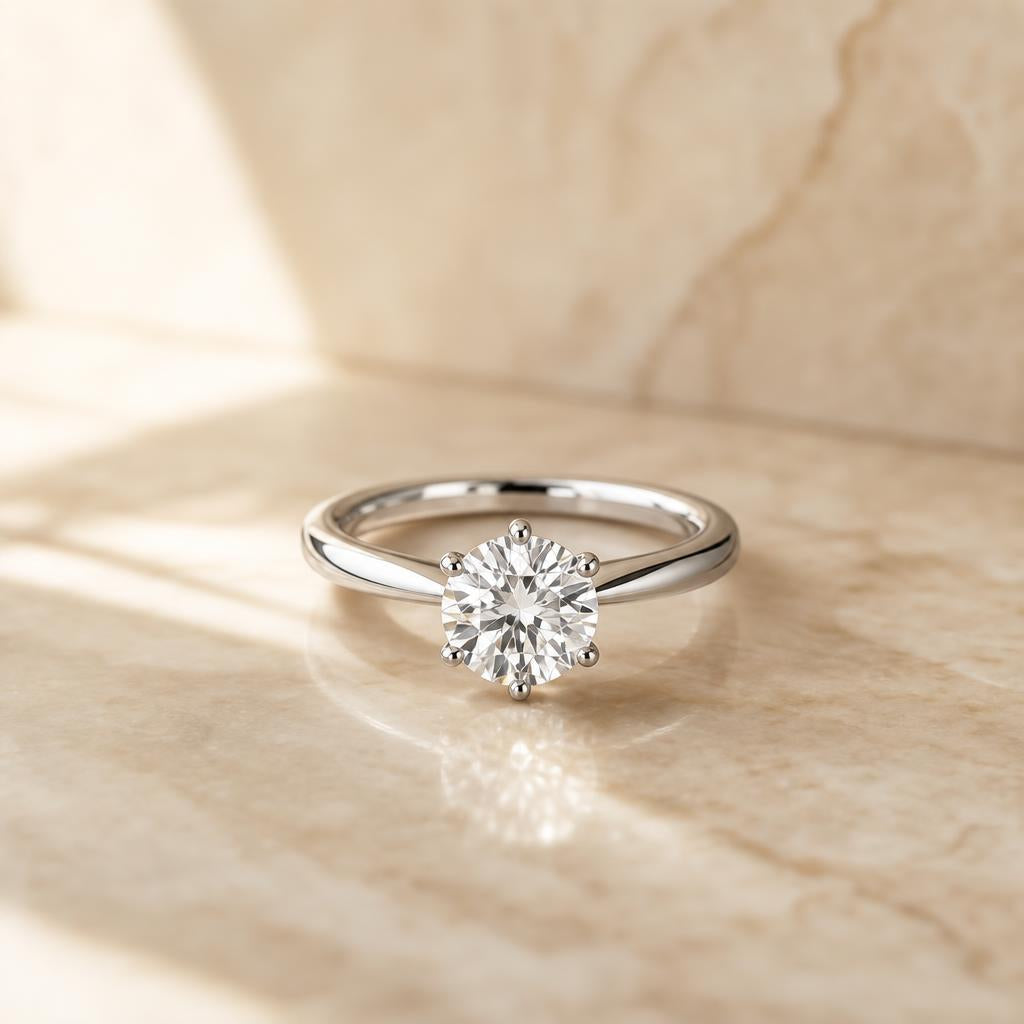
What "925 Sterling Silver" Actually Means — and Whether It's Worth Buying for a Ring You'll Wear Daily
You've spotted it on a ring listing, engraved inside a band, or mentioned in a product description: 925 sterling silver. But what does it actually mean — and does it tell you anything useful about whether a ring is worth buying?
The answer is yes — if you know what to look for. Sterling silver has a specific, regulated composition, and the 925 stamp is a hallmark that tells you exactly what's inside the metal. Here's a plain-language breakdown of what the standard means, why it was created, and how it translates to a ring you'll wear every day.


What 925 sterling silver actually is
Pure silver — 999 fine silver — is beautiful, but it's too soft to use in jewellery on its own. It bends, scratches, and loses its shape under the friction of everyday wear. To make silver practical, it's alloyed with other metals, most commonly copper. The "925" in 925 sterling silver tells you that the metal is 92.5% pure silver by weight, with the remaining 7.5% made up of copper or occasionally other trace metals.
That 92.5% minimum is an internationally recognised standard. In the UK and many Commonwealth countries, hallmarking is legally required on sterling silver jewellery sold over a certain weight. In the US, the Federal Trade Commission governs the term "sterling silver" and requires the same 92.5% purity threshold. Any piece marked "925", "S925", or "STERLING" has met that standard. It's not marketing language — it's a regulated composition.
Worth knowing: Pure silver (999) looks beautiful but is far too soft for rings — it would bend and scratch with normal daily contact. The copper in 925 sterling silver is what makes the metal workable and durable without meaningfully affecting its colour or brightness.
Why copper, and what it does to the silver
Copper is added for hardness. It allows the silver to be shaped into intricate settings, hold stones securely in their prongs or bezels, and resist denting and warping from everyday contact. It's also what causes tarnish: copper reacts with oxygen and sulphur compounds in the air and on skin, forming dark compounds on the surface. This is the chemistry behind tarnishing in sterling silver jewellery — a property of the copper alloy, not a sign the ring is poor quality or not genuine silver.
Tarnish is surface-level and cleans off easily. A soft cloth, or a ten-minute soak in warm water with a small amount of mild dish soap, is usually enough to restore the original brightness. This is meaningfully different from the plating wearing away on base-metal jewellery — with sterling silver, what you're cleaning is the surface of real silver, not a thin outer coating over a completely different material.
How sterling silver compares to other ring metals
Understanding the 925 standard is easier when you put it alongside the alternatives.
| Metal | What it is | Durability | Tarnish risk | Typical use |
|---|---|---|---|---|
| 925 Sterling silver | 92.5% silver, 7.5% copper alloy | Good — holds settings and resists bending | Yes, surface tarnish over time | Fine and fashion jewellery |
| Rhodium-plated sterling silver | 925 silver base with rhodium coating | Very good; rhodium is exceptionally hard | Very low while rhodium holds | White-finish fine-looking rings |
| Gold-plated sterling silver | 925 silver base with a gold-colour layer | Good base; surface plating thins over time | Lower while plating remains intact | Fashion jewellery with a gold finish |
| Solid gold (9k–18k) | Gold alloyed to various purity levels | Excellent; very durable over decades | Minimal to none | Fine jewellery; heirloom pieces |
| Base metal (brass, zinc alloy) | Non-precious alloy, often plated | Poor — soft, prone to bending | High once plating wears through | Fast fashion and costume jewellery |
The comparison that matters most for daily wear: 925 sterling silver is a genuine precious metal. When a ring listing says "925 sterling silver with rhodium plating" or "925 sterling silver with 18k gold plating," you know the foundation is solid. The plating changes the colour and adds surface protection — the sterling silver underneath is what gives the ring its structure, weight, and longevity.
What rhodium plating does — and why it matters
Rhodium is a platinum-group metal. It's exceptionally hard, highly reflective, and naturally hypoallergenic. Most white-finish sterling silver rings are rhodium-plated — it's what gives them that intensely bright, mirror-white look that reads as white gold or platinum at a glance.
Rhodium also acts as a barrier between the copper in the sterling silver and your skin. If you have any sensitivity to copper, the rhodium layer means the metal never actually touches you directly. It also significantly slows tarnish, since the copper beneath is shielded from oxygen and sulphur in the air.
The trade-off: rhodium gradually wears through, most noticeably on the inner band where friction is highest. When it does, you'll see the slightly warmer, softer tone of bare sterling silver beneath. Re-plating is straightforward — any jeweller can do it, usually for a modest fee. Some wearers re-plate once every year or two; others find the finish holds much longer depending on how the ring is worn and stored.

The Beatrice Ring
A round-cut simulated diamond in a classic solitaire setting paired with an intricate vintage pavé band. Set in nickel-free 925 sterling silver with rhodium plating — the result is a bright, white finish that holds its look through regular daily wear.
Shop The Beatrice Ring →Is sterling silver strong enough for daily wear?
Yes — with realistic expectations. Sterling silver is softer than platinum or 18k gold, but it's a legitimate everyday material. Rings made from it last for years of regular wear when constructed well. The things that degrade sterling silver rings fastest are not the metal itself but the conditions they're worn in: chlorine from pools and hot tubs accelerates tarnish and weakens plating; some lotions and perfumes do the same; storing rings loosely where they knock against other pieces shortens the life of the finish.
None of this is complicated. The basic care is the same as with any plated fine jewellery: put the ring on last, after creams and sprays; take it off before swimming or cleaning. Those two habits will extend the life of rhodium plating more than almost anything else.
✦ Care tip: Store sterling silver rings individually — in a soft pouch or a compartmented jewellery box — rather than loose in a drawer where pieces scratch against each other. Surface scratches break the protective plating and let tarnish in faster.
What about nickel sensitivity?
Nickel allergy is the most common contact metal allergy, affecting roughly 15–20% of women. For years, cheaper jewellery used nickel as the hardening agent in silver alloys, causing skin reactions in wearers who'd never had a problem before. The EU now restricts nickel in jewellery worn directly against the skin. Quality 925 sterling silver uses copper as the alloying metal — not nickel.
When a listing specifies "nickel-free 925 sterling silver," that tells you the hardening agent is copper rather than nickel. For anyone who's experienced reactions to cheaper jewellery in the past, this is a meaningful distinction — not just marketing language. The rhodium plating on most white-finish rings adds another layer of protection, since rhodium itself is hypoallergenic and prevents the underlying metals from contacting the skin at all.

The Camilla Ring
A round-cut simulated diamond in a halo setting with a gently twisted pavé band that adds architectural interest without complicating the silhouette. Nickel-free 925 sterling silver with rhodium plating — designed to wear beautifully against skin every day.
Shop The Camilla Ring →How to read a ring listing with confidence
Once you understand the 925 standard, ring listings become much easier to parse. Here's what's worth looking for:
- 925 sterling silver or S925 stamped on the piece or clearly stated in the listing. This is the baseline — it tells you the core metal is real silver, not plated base metal.
- Rhodium plating specified — particularly for white-finish rings. Without it, a sterling silver ring will have a softer, warmer look and will tarnish faster than a plated one.
- Nickel-free noted — important for sensitive skin and a general quality signal. Brands that specify this tend to be deliberate about their materials.
- Stone type named clearly — simulated diamond, moissanite, cubic zirconia, lab-grown gemstone. Honest listings name the stone specifically. Vague terms like "white crystal" or "clear stone" are a flag.
- Setting type described — prong, bezel, pavé, halo. This tells you how the stone is secured and what the surrounding metalwork looks like. Detail in the description is usually a sign of a ring designed with care.
Quick Takeaways
- 925 sterling silver means 92.5% pure silver — a regulated international standard, not marketing language
- The 7.5% copper alloy makes the metal hard enough for daily wear and secure stone settings
- Rhodium plating gives white-finish rings their brightness, slows tarnish, and protects against copper sensitivity
- Tarnish is normal, surface-level, and easy to clean — it does not mean the ring is low quality
- Nickel-free sterling silver uses copper as the hardener — a meaningful distinction for metal sensitivities
- A well-made 925 sterling silver ring, worn with basic care, is a legitimate and lasting everyday choice
Frequently asked questions
Does 925 sterling silver tarnish?
Yes, over time. The copper in the alloy reacts with oxygen and sulphur to form dark surface compounds. This is a normal chemical property of the metal, not a defect. Most tarnish polishes off easily with a soft cloth. Rhodium-plated sterling silver tarnishes significantly more slowly because the rhodium acts as a barrier between the copper and the air.
Can I shower or swim wearing a 925 sterling silver ring?
Occasional showering is generally fine. Chlorinated water (pools, hot tubs) and salt water accelerate tarnish and degrade rhodium plating faster than normal wear. It's worth removing rings before extended swimming, heavy exercise, or cleaning with harsh chemicals. The ring itself won't be destroyed — but with consistent exposure, it will need cleaning and possibly re-plating sooner.
How is 925 sterling silver different from silver-plated jewellery?
Very different. Sterling silver is solid silver all the way through — the same material from surface to core. Silver-plated jewellery has a base of a cheaper metal (usually brass or zinc alloy) with a thin layer of silver on the outside. When that thin layer wears away, you're left with exposed base metal that can tarnish heavily and cause skin reactions. A 925 hallmark confirms the solid metal itself is silver.
What happens when the rhodium plating wears off?
You'll see the natural tone of sterling silver — a slightly warmer, less intensely bright white compared to the sharp mirror-finish of rhodium. The ring still looks like silver. Re-plating is simple and available at most jewellers for a modest fee. Some people re-plate annually; others find the finish lasts two or three years with normal care.
Is 925 sterling silver good for a ring I'll wear every day?
Yes, for most wearers. It holds settings well, has real weight and substance, and looks beautiful for years with basic maintenance. The main consideration is that it's not as hard as platinum or 18k gold, so it benefits from occasional cleaning and, over time, periodic re-plating. For a simulated diamond ring worn in place of your real engagement ring — for travel, the gym, or everyday use — 925 sterling silver is an excellent choice.
Sterling silver has been used in jewellery for centuries. The 925 hallmark simply formalises what craftspeople have always known: alloyed silver is one of the most versatile, beautiful, and practical materials you can wear. A well-made ring in this metal is meant to be worn — not saved for special occasions.


