

What Is a Simulated Diamond? Lab-Grown vs. Conflict-Free, Explained
Simulated diamond. Lab-grown diamond. Conflict-free. Somewhere between a product page and a group chat, these three phrases got flattened into one vague idea — "not a real diamond, but close enough." They're not interchangeable, and if you've been shopping for a ring, understanding which is which is the difference between buying with confidence and just guessing.
Before the terminology, a look at what a simulated diamond ring actually looks like in practice — set in sterling silver, cut for maximum brilliance, and priced so you can build a collection instead of committing everything to a single piece. None of the styles below need a glossary to appreciate, but knowing the vocabulary behind them changes how you shop for the next one.


What Is a Simulated Diamond, Exactly?
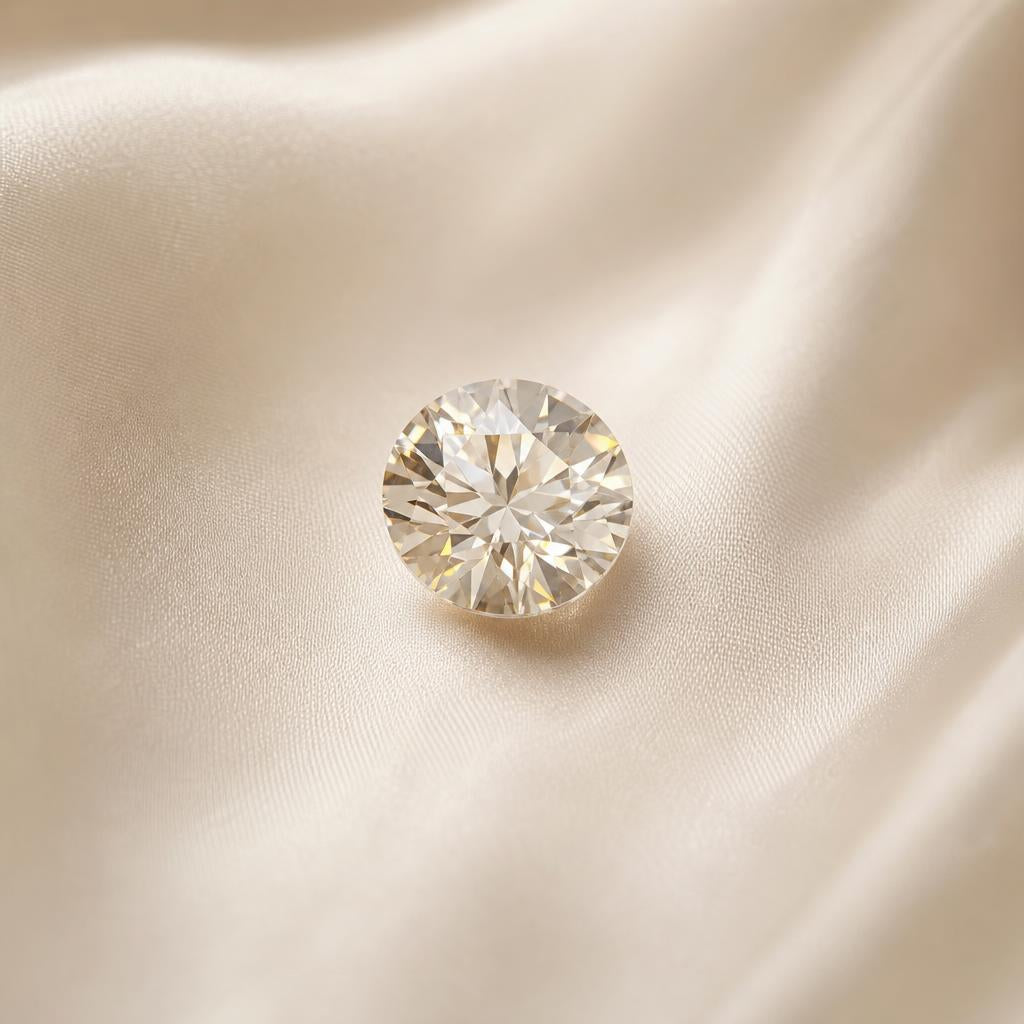
A simulated diamond — also called a diamond simulant — is a gemstone engineered to visually replicate a diamond's brilliance without sharing its chemical structure. Cubic zirconia and moissanite are the two simulants you'll run into most often; both are lab-created, both are cut to maximize sparkle, and both are built to catch light the way a diamond does. Put a simulated diamond vs real diamond side by side in a photograph and most people can't call it — the visual gap that seems obvious in theory tends to disappear in practice, especially once a stone is set, sized, and worn the way rings actually get worn.
What a simulant is not, chemically speaking, is diamond. And that distinction matters less than most first-time buyers assume, because the test that matters to everyone except a gemologist with a loupe is the one your ring passes every single day: does it look right, and does it hold up. Indistinguishable from a diamond to the naked eye, cut to the same proportions, set the same way — for a well-made simulant, the honest answer is yes.
Simulated vs. Lab-Grown: The Mix-Up That Costs Buyers Money
This is where most of the confusion starts, and it's worth clearing up before you spend anything. A lab-grown diamond is a real diamond — grown in a controlled facility rather than pulled from the earth, but chemically, physically, and optically identical to a mined stone. A simulated diamond vs lab diamond comparison isn't a comparison of degrees; they're two different products built for two different intentions entirely. Lab-grown diamonds are graded, certified, and priced accordingly, often still running into the thousands. Simulated diamonds were never trying to be diamonds in the first place — they're a distinct, deliberate category, built to deliver the look without asking you to finance a certificate to get there.
Worth knowing: A well-cut simulant is indistinguishable from a diamond to the eye — no one across a dinner table, including a jeweler doing a casual once-over, is running a thermal conductivity test on your hand.

The Lumière Ring
A 4-carat round brilliant solitaire that answers the "does bigger look less convincing" question directly: it doesn't. Scale doesn't compromise the illusion when the cut and setting are done properly.
Shop The Lumière Ring →Moissanite, Cubic Zirconia, and the Diamond They're Both Compared To
Moissanite and cubic zirconia get lumped together constantly, but they're not the same material and they don't behave the same way over time. Moissanite runs harder and denser, and it throws more colorful fire than a diamond does — some people love that extra flash, others find it a touch busy next to a diamond's cooler white sparkle. Cubic zirconia is softer, which is exactly why it tends to get reserved for pieces you're not wearing to the gym every day. Run a moissanite vs diamond vs cubic zirconia comparison side by side and the differences aren't subtle once you know what to look for — but from three feet away, at a dinner, on a hand doing normal hand things, none of it registers. That's the actual test a ring has to pass.
What "Conflict-Free" Actually Means (and Why Simulated Stones Skip the Question)
"Conflict-free" is a term that belongs to mined diamonds — it refers to sourcing standards like the Kimberley Process, built to keep diamond profits from funding violence. It's a meaningful standard within that part of the industry, and it's also a question a simulated stone never has to answer, because there's no mine involved anywhere in the process. Cubic zirconia and moissanite are grown, not extracted — no supply chain to audit, no certificate of origin required, no asterisk. For a buyer who's already decided she doesn't need a mined stone to feel the impact of what she's wearing, that's one less thing to research before checkout.

The Harlow Ring
An emerald-cut center inside a vintage-leaning halo — proof that simulated doesn't mean simple. The step-cut stone shows exactly the kind of clarity a good simulant is built to deliver.
Shop The Harlow Ring →Reading a Ring Listing Like Someone Who Already Knows the Difference
Once the vocabulary makes sense, a product listing stops reading like marketing copy and starts reading like information. "Simulated diamond" or "diamond simulant" tells you the stone is cubic zirconia, moissanite, or a comparable material — not a diamond, lab-grown or otherwise. "925 sterling silver" tells you the metal is genuine silver, not a thin plate over a base metal. "Conflict-free" on a listing for a simulated stone is either a nice-to-know or, more cynically, a phrase doing more marketing work than informational work, since there was never a sourcing question to begin with. Knowing what each phrase is actually claiming — and just as importantly, what it isn't — is most of what separates a confident buyer from one just hoping for the best.
✦ Pro tip: If a listing says "lab-grown" without naming the material, ask. A lab-grown diamond and a lab-created simulant are two very different products wearing similar-sounding names.
Durability and Everyday Wear: What Actually Changes Year to Year
The material question isn't just academic — it affects how a ring behaves once it leaves the box. Moissanite sits close to a diamond on the hardness scale, which makes it a genuinely solid choice for a ring you plan to wear daily without babying it. Cubic zirconia is softer, so it's better suited to pieces that get occasional wear rather than round-the-clock duty, since scratches and clouding show up faster with regular contact against other jewelry, countertops, and everything else a hand touches in a day. Neither issue has anything to do with how the ring looks the day you put it on; both are about the years after.
The metal underneath the stone matters just as much as the stone itself. Sterling silver, finished with rhodium or gold plating, is hypoallergenic and nickel-free — a meaningful detail if you've ever had a ring turn a finger green or irritate sensitive skin. It won't discolor the skin the way lower-grade base metals sometimes do, and it holds its finish with normal care, not special handling. A one-year warranty covers the kind of thing that occasionally goes wrong with any piece of jewelry, which is one more reason the "simulated" label shouldn't read as a compromise. It's a specification, not an apology.
Quick Takeaways
- A simulated diamond looks like a diamond but isn't one chemically — cubic zirconia and moissanite are the two you'll see most often.
- A lab-grown diamond is a real diamond grown in a lab, not a simulant — a different category with different price logic entirely.
- "Conflict-free" is a mined-diamond sourcing term. Simulated stones sidestep the question, since nothing was mined.
- Moissanite runs harder and throws more colorful fire; cubic zirconia is softer and better suited to occasional wear.
- From normal viewing distance, a well-cut simulant reads exactly like the diamond it was built to resemble.
Frequently Asked Questions
Are simulated diamonds real?
Not chemically, and that's the point rather than a downside. A simulated diamond is built from a different material — typically cubic zirconia or moissanite — specifically to deliver a diamond's look without a diamond's cost. It isn't a lesser version of a diamond; it's a different category doing its job well.
Do simulated diamonds look like real diamonds?
Yes — to the eye, they do. A well-cut simulant is indistinguishable from a diamond in normal light at a normal viewing distance. The differences that do exist are chemical, and they only show up under lab equipment, not across a dinner table.
Is a simulated diamond the same as cubic zirconia?
Cubic zirconia is one type of simulated diamond — moissanite is another. "Simulated diamond" is the umbrella term; cubic zirconia and moissanite are two of the specific materials that fall under it.
Is a simulated diamond a lab diamond?
No — and this is the most common mix-up in the category. A lab-grown diamond is chemically identical to a mined diamond, just grown differently. A simulated diamond is a different material altogether, built only to resemble a diamond's look. Both are created outside a mine, which is usually where the confusion starts, but that's also where the similarity ends.
Can a jeweler tell if a diamond is moissanite?
Not with a glance, no. Reliably telling moissanite from a diamond typically takes electronic testing equipment — thermal, or a combined thermal-electrical tester — and even then, older single-mode testers can be fooled. Visually, across a room or a dinner table, the two read the same.
What's the difference between conflict-free and simulated?
They're not really comparable terms. "Conflict-free" describes how a mined diamond was sourced. "Simulated" describes what a stone is made of. A simulated stone doesn't need a conflict-free label, because nothing was mined to begin with.
The terminology isn't there to make ring shopping harder — it's there so you can shop like you already know what you're looking at. Once "simulated," "lab-grown," and "conflict-free" stop blurring together, choosing a ring stops being a gamble and starts being exactly what it should be: a decision you're making on purpose.


